Commercial Property Insurance, matched properly
Commercial property insurance for buildings, contents and business interruption: the 80% average clause, what leases require, and one licensed or authorised broker to arrange it.
- No obligation
- Licensed or authorised brokers
Get a quote from a licensed or authorised broker in a few simple steps
Tell us about your business and the cover you’re after.
Step 1 of 3What is Commercial Property Insurance?
Commercial property insurance generally covers business buildings, and their contents, stock and equipment, against events such as fire, storm and theft, and can cover lost income or rent while you recover. Cover for the building is also called commercial building insurance, and cover for contents alone is business contents insurance. Flood cover and the amount you insure for make a big difference at claim time.
Who commonly considers it.
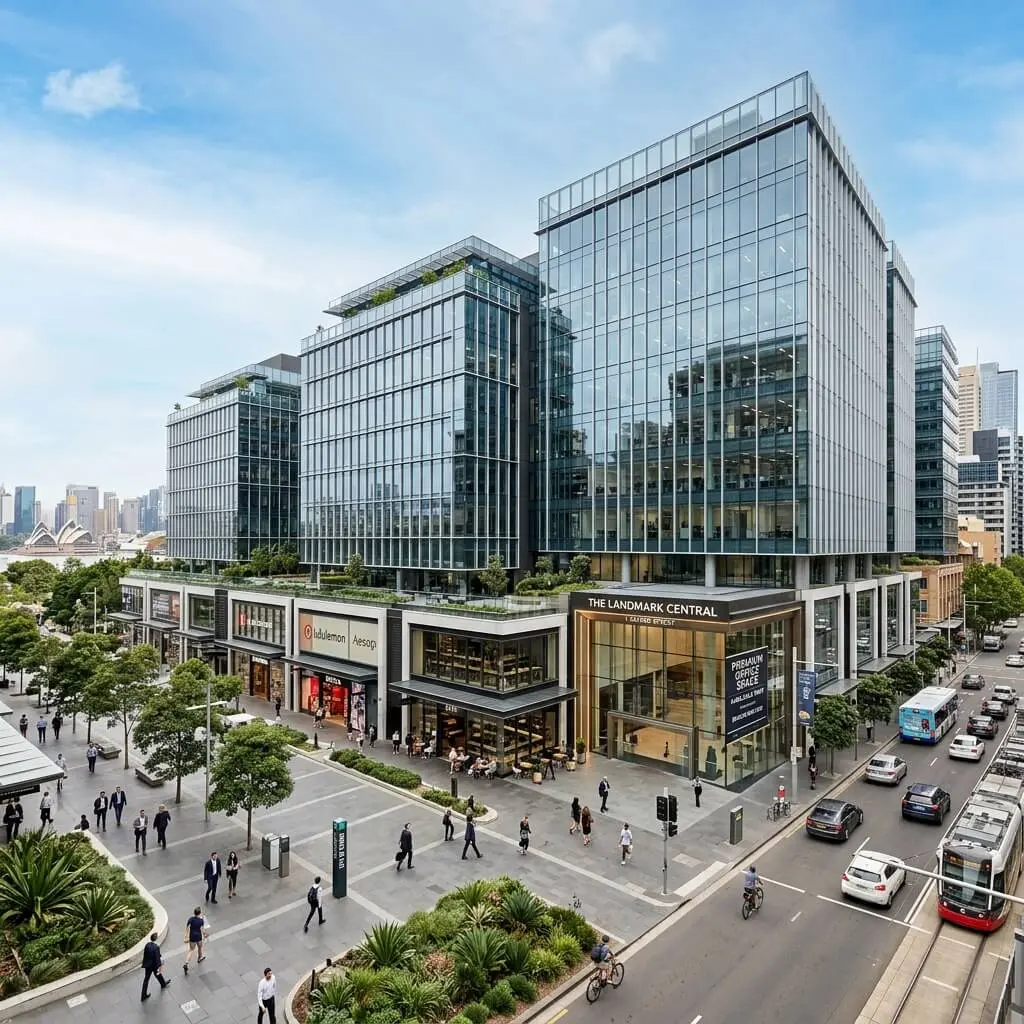
- Property Landlords Owners of retail, office, and industrial buildings
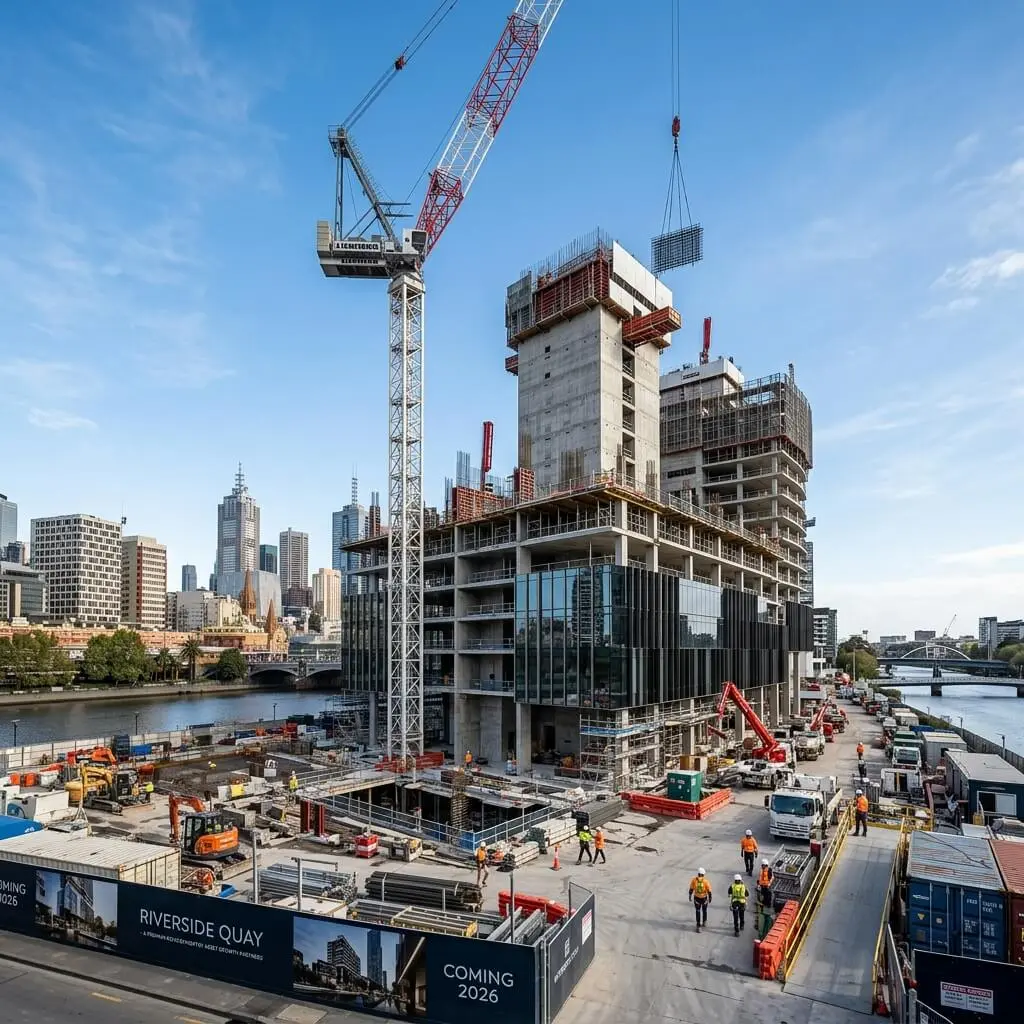
- Property Developers Construction sites and new asset portfolios
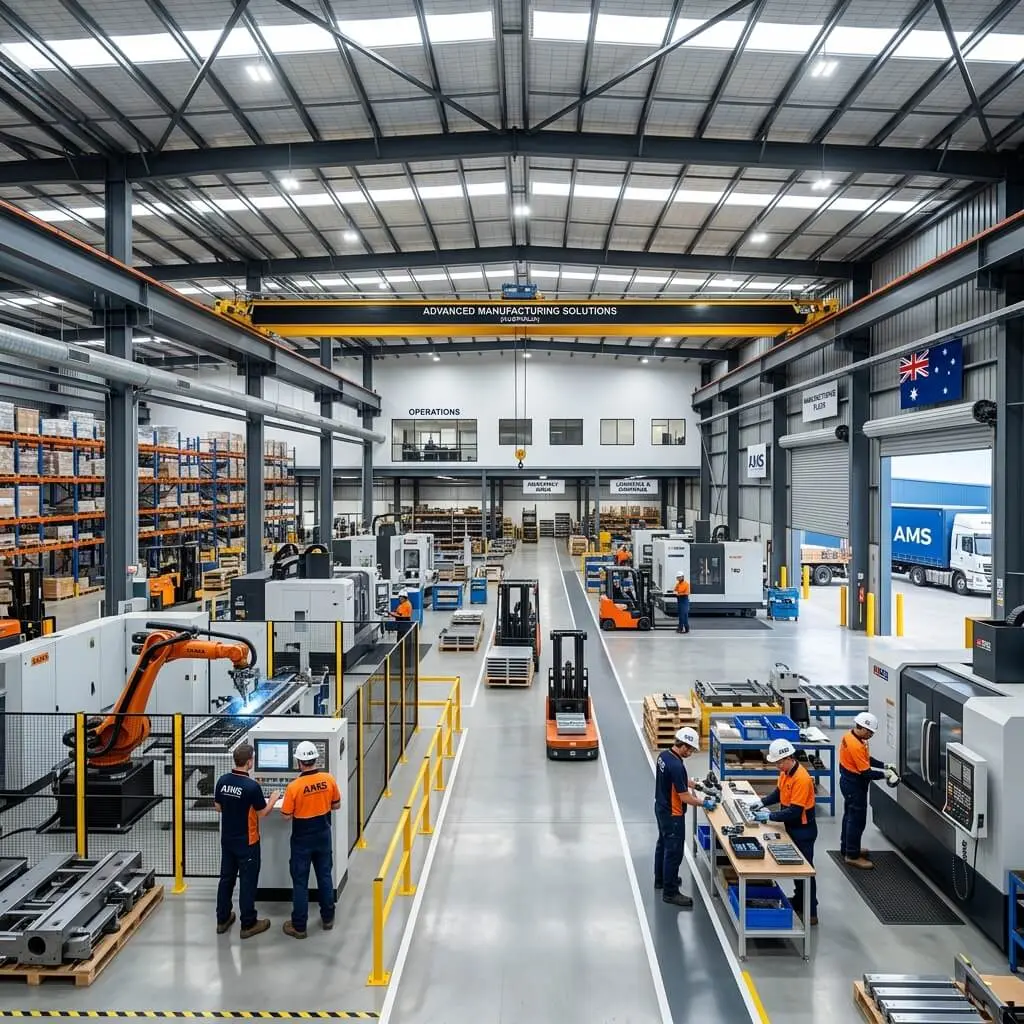
- Manufacturing & Industrial Owner-occupiers of factories and warehouses
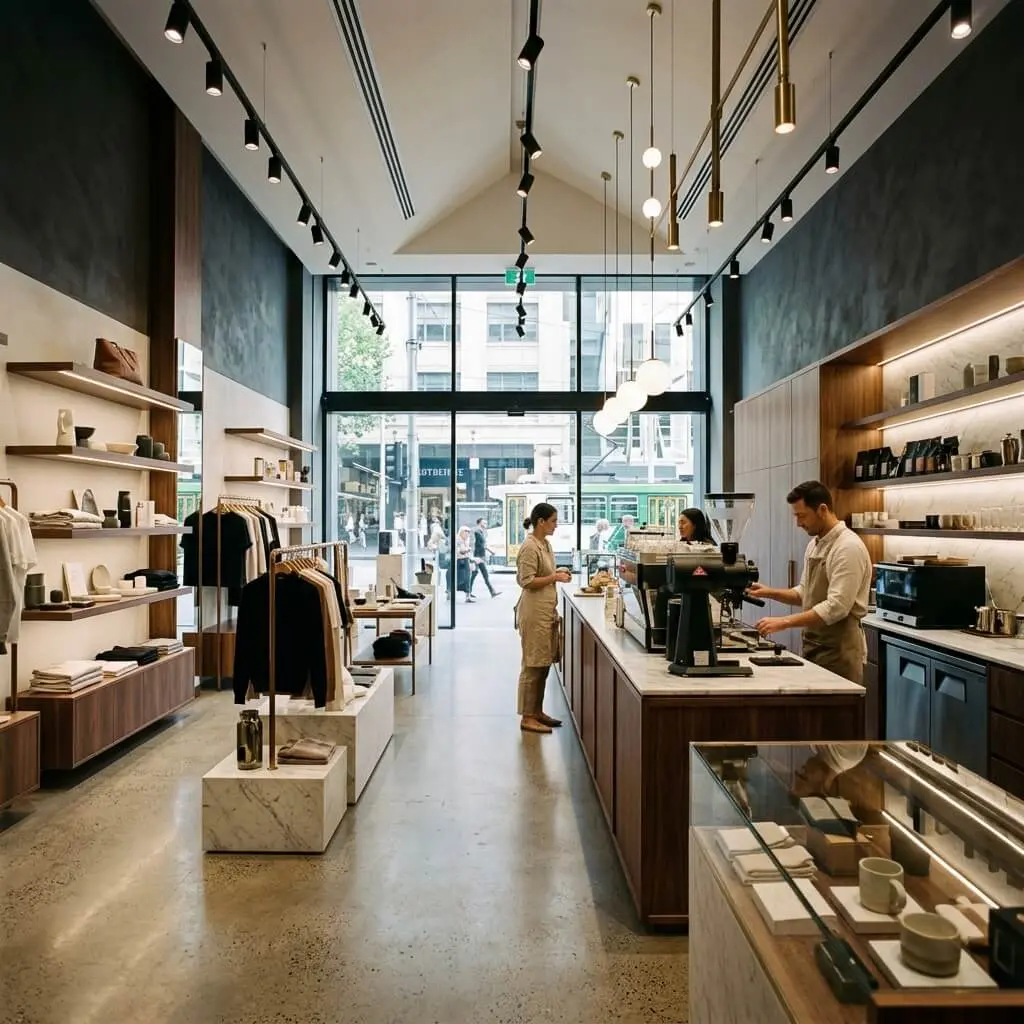
- Retail & Commercial Businesses with high-value fit-outs and equipment
Property cover in a business insurance pack.
Business insurance packs generally include these sections. Limits and conditions vary by insurer.
- Buildings, contents and stock Accidental property damage at your premises. A tenant’s contents can include fixtures and glass the lease makes them responsible for1.
- Accidental damage limits One insurer caps accidental damage at $250,000 unless you buy more2.
- Business interruption Lost income after insured damage, with costs such as rent and wages. See how it works below1, 30.
- Loss of rent For landlords, rent lost while the building can’t be tenanted, up to the number of months chosen2.
- Glass Accidental breakage, including after-hours labour to make premises secure1.
- Theft Theft after visible, forcible and violent entry, unless the cover is extended1.
- Machinery breakdown A separate section in some packs1.
Business packs generally suit businesses with less than about $10 million in physical assets. Larger businesses usually use industrial special risks policies30.
How business interruption works.
Business interruption pays lost income after insured damage, up to limits you choose when you buy.
- Indemnity period The longest period after the damage for which lost income is paid, set in the schedule1.
- Sum insured Your insured gross profit scales with the indemnity period. In one wording, the amount needed to meet the 80% test rises in proportion for periods longer than 52 weeks1.
- What it can pay Lost income, the cost of recovering, rent, wages, and disruption at suppliers30.
- What it doesn’t Closures you choose to make30.
Our guide to how business interruption insurance works has a worked example, the extensions for damage elsewhere, and spoiled stock.
Flood damage and underinsurance.
Two things that commonly catch businesses out at claim time.
- What counts as flood The standard definition, used for home, contents, small business and residential strata policies, is “the covering of normally dry land by water that has escaped or been released from the normal confines of any of the following: a lake (whether or not it has been altered or modified); a river (whether or not it has been altered or modified); a creek (whether or not it has been altered or modified); another natural watercourse (whether or not it has been altered or modified); a reservoir; a canal; a dam”3, 5. Commercial policies can define flood differently, so check the wording4.
- Storm Rain that falls directly on a property may count as storm damage instead3.
- Flood on commercial policies Flood cover isn’t standard on commercial policies and often has to be chosen3, 4. One business pack includes flood, bushfire and cyclone cover after the first 72 hours of a new policy2.
- Vacant buildings Cover can stop once a building has been unoccupied for 60 days (Allianz business pack) or 90 days (CGU business pack), unless the insurer agrees otherwise1, 2.
- The 80% average clause Many business policies have an average clause, often set at 80%. Insure for less than that share of full value and a claim can be reduced in proportion. In the CGU example, property worth $200,000 insured for $144,000 has a $100,000 loss, and the claim pays $90,0002. Which sections the clause covers varies by policy.
How the sum insured is worked out.
The policyholder sets the figure. The wording says what it is meant to cover.
- Two bases of settlement Replacement or reinstatement cover pays to rebuild or replace as new. Indemnity value allows for age, condition and remaining useful life1, 2.
- What a rebuild figure includes CGU says a replacement-basis sum insured should reflect the full new replacement cost plus an allowance for professional fees and removal of debris, including GST2. Allianz’s definition of replacement takes in council permit charges and architects’ and engineers’ fees1.
- Current building codes CGU also pays the extra cost, including demolition, of meeting a lawful authority’s requirements when rebuilding, but not requirements the owner had already been told to meet before the damage2.
- Cost escalation After a declared catastrophe, both packs add up to 20% for increased building costs, provided the building is rebuilt1, 2.
- Professional valuations Vero tells brokers it is crucial that clients have their assets professionally valued26. The Australian Property Institute’s guidance builds a valuer’s estimate from construction cost, fees and contingencies, demolition and debris removal, and cost increases during the policy and rebuild periods, a different calculation from market value28.
- When the figure falls short Insurers may index the sum insured at renewal, but Allianz says that does not replace the policyholder’s responsibility for reviewing it1. Below 80% of full value, the average clause explained under Flood and underinsurance above reduces the claim1, 2.
Between 2020 and 2024, building construction prices rose 31%, which the Insurance Council says is increasing the risk of underinsurance13, 29.
What makes a building harder to insure.
Marsh says none of these necessarily makes cover unavailable, but a property declined or heavily loaded by one insurer can need specialist markets.
- Construction materials Marsh names EPS cladding and asbestos as materials that make a property harder or more expensive to insure; losses may be declined where undeclared high-risk materials are used27. A broker contrasts tilt-slab concrete with a monitored alarm against 1970s weatherboard without sprinklers10.
- Age and condition Allianz can decline or reduce a claim where property wasn’t kept in sound condition and it is prejudiced1. Both packs exclude damage from known, undisclosed defects1, 2.
- Sprinklers, alarms and security Allianz lists alarms and deadlocks among its premium factors1; a broker says insurers insist on minimum physical security before giving higher burglary limits10.
- Vacancy After 60 days, Allianz continues cover only if it agrees in writing, and can ask for an additional premium1.
- Flood, cyclone and bushfire zones Marsh lists flood and bushfire-prone locations among what makes a property hard to place, with flood cover conditioned or excluded by flood risk rating27. Cyclone and bushfire postcodes attract higher base rates10.
- What the tenant does Marsh says a chemical storage facility is a very different risk, and undisclosed tenant activities can see a claim reduced or denied27. A broker says insurers dislike open flames, chemicals and heavy foot traffic10. The NSW Small Business Commissioner reports insurers increasingly unwilling to cover buildings housing tobacconists23.
- Heritage listing Heritage buildings often carry a loading because repair materials are specialised10. Both packs pay for the special materials and labour a heritage authority requires1, 2.
How much does commercial property insurance cost?
The ACCC publishes average small business building and contents premiums. These, and brokers’ figures, are a guide, not a quote.
Average SME premium per $100,000 insured, 2024–25, down 3%. ACCC.6
BizCover customers’ average business pack, period not stated.9
Marsh’s global insurance market index, Pacific region, Q2 2026.11
Average small business building and contents premium by region, 2024–25, for sums insured under $5 million. ACCC, June 20266:
The ACCC’s June 2026 report found small business premiums per $100,000 fell 24% in medium to high cyclone risk areas after insurers joined the cyclone pool. They rose 10% in nil and low risk areas6. State taxes add 9% to 40% to premiums13. See why business insurance goes up and what the cyclone pool means for your business.
Example prices from one broker.
Illustrative annual ranges published by a broker, which doesn’t say how they were worked out.
- Retail shop, $150,000 contents$650 to $1,10010
- Office, $200,000 contents$800 to $1,40010
- Café, $250,000 fit-out and $30,000 stock$1,500 to $3,20010
- Warehouse, $2 million building and $500,000 contents$5,000 to $9,00010
- Multi-tenant building, $8 million, 12 months’ business interruption$12,000 to $22,00010
What affects the price of commercial insurance.
What insurers commonly look at.
The business
Your industry, staff and claims history30.
The building
Its construction and age, sprinklers and alarms, distance to a fire station, and heritage listing10.
Location
Exposure to natural perils such as flood and cyclone13.
Tenants
What tenants do matters. Leasing to a tobacconist raised one landlord’s premium almost ten-fold23.
Taxes
State taxes and levies on the premium13.
When a lease or lender asks for it.
There’s no general legal requirement to insure business property, but leases and lenders often set requirements. Check your lease.
- LandlordsUsually insure the building and recover the cost from tenants as an outgoing25.
- TenantsLeases commonly require tenants to hold public liability, and often glass cover. Some leases leave glass with the landlord9.
- VictoriaRetail tenants pay only the outgoings their lease lists21.
- QueenslandRetail tenants can’t be charged the landlord’s insurance excess22.
- LendersOne insurer covers a lender’s interest, to the extent of that interest, where it is noted in your records. Tell your broker about any mortgage1.
- Strata buildingsIn NSW, owners corporations must insure the building24.
Underinsurance and claims after a loss.
From Vero’s 2025 SME Index, a September 2024 survey of 1,750 business owners (1,500 small and medium businesses and 250 large ones), and the Insurance Council.
- An underinsured salonIts business interruption loss was $672,769, but gross profit was insured well below its true value of $1,151,905. The insurer paid $143,512, and AFCA upheld that. February 202518.
- A cyclone claimA club’s cyclone claim was mostly paid, but damage to its pontoon was excluded as “action of the sea”. August 202519.
Common questions.
Is commercial property insurance compulsory?
Not by law, but leases and lenders often require it. Strata owners corporations (body corporates) have building insurance duties under state law, such as in NSW.
Who insures a leased building, the landlord or the tenant?
Usually the landlord insures the building and recovers the cost from tenants as an outgoing. Tenants usually insure their own contents and, often, glass. Check your lease.
What insurance do I need for a commercial building?
It depends on whether you own or lease it. Landlords usually insure the building and can add loss of rent, often as commercial landlord insurance. Tenants usually insure their own contents and, often, glass, and leases and lenders often set what cover is required.
Is flood included?
Often not automatically for commercial policies, where flood can be an option you choose. Some business packs include it after a waiting period, such as 72 hours for a new policy.
What’s the difference between flood and storm?
Under the standard definition, flood is water that escapes a lake, river, creek, reservoir, canal or dam. Rain that falls directly on a property may count as storm damage instead. Commercial policies can define flood differently, so check the wording.
What’s the 80% average clause?
Many business policies have an average clause, often set at 80%. If you insure for less than that share of full value, a claim can be cut in proportion. In one wording’s example, a $100,000 loss pays $90,000. Which sections it covers varies by policy.
What’s an indemnity period?
The longest period after damage for which business interruption cover pays lost income or rent. It’s chosen when you buy the policy.
Is lost rent covered?
It can be, as a section or extension that pays while the building can’t be tenanted, up to the number of months chosen.
Is a vacant building covered?
Cover can stop once a building has been unoccupied for a set time, such as 60 days under the Allianz business pack or 90 days under the CGU business pack, unless the insurer agrees otherwise.
Is theft without a break-in covered?
Not under standard theft cover in the wording we reviewed, which needs forcible entry, but an extension can add it.
What does commercial property insurance cost?
The ACCC found the average small business building and contents premium outside northern Australia was $2,015 in 2024–25.
Can I get a commercial property insurance quote through COVRA?
COVRA passes your enquiry to one licensed or authorised broker, who can look at getting quotes from insurers for you. COVRA doesn’t quote or sell insurance itself.
Still have a question? A broker can talk it through with you.
Get a quote from a brokerWhy businesses use Covra.
One enquiry, one broker.
Not sure what cover you need
Talk it through with a licensed or authorised insurance broker, who can look at your business and your options.
Don’t want lots of calls
COVRA sends your contact details to one broker, not several.
No obligation
You don’t have to take out a policy.
Need it sorted properly
Commercial Property Insurance can be complex; discuss your insurance needs with a licensed or authorised broker.
Approved brokers on COVRA.
Licence and covers checked
Before a brokerage can receive enquiries, we check on ASIC’s professional register that it holds, or acts under, an Australian Financial Services Licence that covers general insurance, and check its website for the covers it offers.
One broker only
Your name and contact details go to the one broker who receives your enquiry.
Advice comes from the broker
COVRA doesn’t give advice. The broker can advise you within the scope of their licence or authorisation.
Brokers pay, you don’t
COVRA is free for businesses. Brokers pay COVRA to receive enquiries. There’s no obligation to take out a policy.
COVRA is a referral service only. It doesn’t recommend or compare brokers, and approving a broker isn’t a recommendation.
How it works.
Tell us about your business
Answer a few questions about your business and the cover you’re asking about.
We pass it to one broker
We check your enquiry, then pass it to one approved, licensed or authorised broker who offers a cover you’re asking about.
The broker gets in touch
The broker who receives your enquiry contacts you to talk through your needs and options.
Guides on Commercial Property Insurance.
Plain-English answers, with sources, to the questions businesses ask about this cover.
 What does the cyclone reinsurance pool mean for your business?
Which policies the pool covers, what it doesn’t change, what happened to premiums, and insurance embargoes before a cyclone.
 Why did my business insurance go up?
What pushed premiums up, where prices are now falling, and what changes your own premium.
 Insurance claim denied? How do I complain, and can AFCA help?
How to complain to your insurer, the timeframes, when AFCA can help a small business and when it can’t, and what AFCA’s figures show.
 What does public liability insurance not cover?
The common exclusions, the cover some policies give back, and real declined claims.
 What does the insurance clause in my contract or lease mean?
Decode the insurance terms in a client contract, tender, council permit or lease: limits, principal’s indemnity, cross liability, waiver of subrogation, interested parties and certificates.
Related cover.
Other cover often considered alongside Commercial Property Insurance.
Sources.
- Business Insurance Pack Product Disclosure Statement, Allianz, 9 April 2026
- Business Insurance Product Disclosure Statement, CGU, 1 May 2025
- Flood insurance explained, Insurance Council of Australia
- When flood definitions diverge, Insurance Business, 31 March 2026
- Flood definition becomes law, insuranceNEWS, 18 June 2012
- Insurance monitoring report, ACCC, June 2026
- Insurance prices in northern Australia remain high (2022–23 figures), ACCC, 8 December 2023
- Cyclone pool continues to deliver premium relief, ARPC, 15 October 2025
- How much does business insurance cost?, BizCover, data from 2024–25
- Commercial property insurance (price ranges published July 2025), National Cover, 21 July 2025
- Global commercial insurance rates fall 6% in Q2 2026, Marsh, 23 July 2026
- Loss-free Australia and New Zealand reinsurance renewals fall 10–15%, Artemis, July 2026
- Insurance Council calls for reforms to support small business resilience, Insurance Council of Australia, February 2026
- 2025 SME Insurance Index, Vero, April 2025
- What is underinsurance?, Howden, 6 August 2025
- Avoiding underinsurance, CGU
- Solving the underinsurance problem for small business, Steadfast, 25 June 2021
- Determination 12-00-1023207, AFCA, 10 February 2025
- Determination 12-24-130040, AFCA, 8 August 2025
- Determination 12-00-1063725, AFCA, 4 October 2024
- Outgoings and other charges under a lease, Victorian Small Business Commission
- Outgoings factsheet, Queensland Small Business Commissioner, 2 July 2026
- Consider insurance risks before entering or renewing a lease, NSW Small Business Commissioner, 11 November 2024
- Strata Schemes Management Act 2015 (NSW), section 160, AustLII
- Commercial property insurance, Finder, 17 September 2026
- Commercial property insurance: the importance of detailed underwriting information, Vero, 5 May 2023
- Commercial property insurance, Marsh Australia
- ANZVGP 104 Insurance Cost Estimates, Australian Property Institute, effective 1 July 2026
- Submission to the inquiry into small business insurance, Insurance Council of Australia, 24 February 2026
- Paper 2, Appendix A.5: Industrial special risks and business interruption insurance, Insurance Council of Australia, 23 February 2026
- Business insurance packages, BizCover, data from 1 July 2024 to June 2025